
Maintaining physical health through proper nutrition is crucial for individuals in alcohol recovery. Focusing on restoring the body’s nutrient balance and adopting a whole foods, plant-based diet can provide stability and support overall well-being. By prioritizing nutrition, individuals can reduce the risk of developing a sugar addiction and improve their chances of a successful recovery journey. Regular alcohol consumption can lead to tolerance and dependence on sugar, as alcohol contains significant amounts of sugar. When individuals in recovery from alcohol abuse put down the bottle, they may find themselves experiencing cravings for sugar instead. The brain and body become accustomed to the sugar intake from alcohol and seek out the same pleasurable sensations through sugar consumption.
Impact of Alcohol on Blood Glucose
- By focusing on a well-rounded diet that includes a variety of nutrient-dense foods, individuals can satisfy their cravings while nourishing their bodies.
- Here are two key strategies that can assist in managing sugar cravings during recovery.
- This emotional connection to sugar can make it even more challenging to break the cycle of cravings.
By managing their diet carefully they might reduce sugar binges during abstinence from drinking thus decreasing chances of relapse due to unhealthy eating habits. Overall, addressing both blood sugar fluctuations and insulin sensitivity through dietary management is essential in minimizing sugar cravings and supporting sustained recovery from alcohol addiction. People with substance use disorders often experience intense cravings for sugar during their recovery journey. According to APN, the preference for sweet foods can be linked to addictive behaviors. There seems to be an underlying connection between these addictive behaviors and sugar intake, which can be traced back to how sugar affects the brain.

How Do Dopamine Levels Affect Your Body?
- However, the association of pleasure with alcohol consumption drives individuals to continue drinking to maintain the euphoric buzz 1.
- These deficiencies can have wide-ranging effects on the body, including impaired cognitive function, weakened immune system, and disrupted energy metabolism.
- By recognizing the role of dopamine and the desire for comfort and pleasure, individuals in recovery can develop strategies to manage these cravings and prioritize their overall well-being.
Understanding these biological factors can shed light on why sugar cravings are common among individuals in recovery. Recovering alcoholics often face significant nutritional deficiencies due to their history of prioritizing drinking over proper eating. Alcohol provides empty calories, leading to inadequate intake of essential nutrients such as vitamins, minerals, and proteins. This lack of nutrition can result in intense cravings for sugar, as the body seeks energy and replenishment. Both alcohol and sugar stimulate dopamine release in the brain, activating the same pleasure centers. This dopamine surge creates feelings of reward and satisfaction, making sugar a compelling substitute for recovering alcoholics seeking comfort.
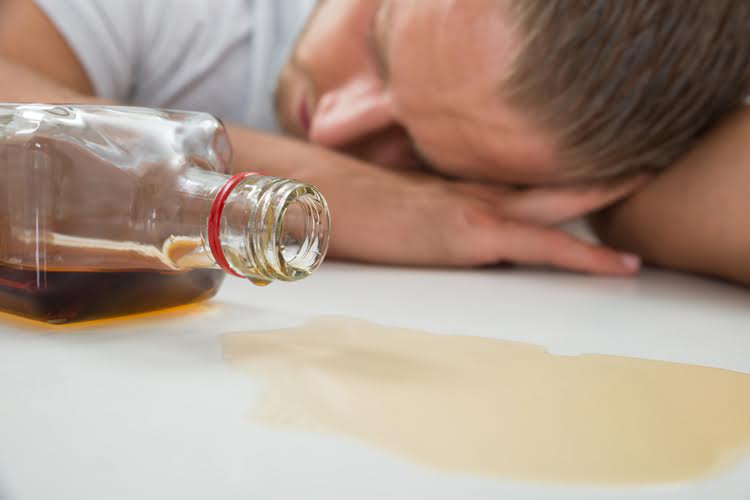
The Importance of Addressing Negative Self-Talk in Recovery
By adopting a plant-based diet, individuals can also benefit from the various nutrients and antioxidants found in plant foods. These nutrients help support overall health, boost the immune system, and aid in the recovery process. The neurobiological pathways involved in drug addiction and „sugar addiction” share commonalities, suggesting overlapping mechanisms in the brain related to these addictive behaviors. Studies have shown that craving, tolerance, withdrawal, and sensitization can occur in both human and animal subjects in relation to sugar and drug dependence.
Understanding these factors can shed light on why sugar becomes a common substitute for alcohol during the recovery process. Additionally, both alcohol and sugar stimulate the brain’s reward centers by releasing dopamine, reinforcing the desire for sugary foods as a substitute for alcohol’s pleasurable effects. This phenomenon closely resembles addiction transfer, where one compulsive behavior is replaced by another. Some research indicates that methamphetamine use can reduce blood glucose levels³, driving people toward sugary foods or drinks. In addition, the appetite suppressing properties of stimulants make eating nutritious foods less likely. Some people in recovery use high sugar foods as a survival strategy to get sufficient calories when other foods are unpalatable.
How To Get Insurance To Pay For Inpatient Rehab
- Research indicates that FMT from alcohol-resistant donors can reshape intestinal micro-ecology and prevent alcohol-induced liver damage and inflammation in alcohol-sensitive individuals 7.
- Dopamine’s tonic-nonsynaptic actions modulate the release of other neurotransmitters (acetylcholine, glutamate, and gamma-aminobutyric acid) by dopaminergic and nondopaminergic neurons.
- It is deeply rooted in both substances, and largely explains just why recovering alcoholics crave sugar.
Research indicates that FMT from alcohol-resistant donors can reshape intestinal micro-ecology and prevent alcohol-induced liver damage and inflammation in alcohol-sensitive individuals 7. Alcohol initially boosts dopamine levels, which produces a feeling of relaxation and happiness. However, as a person drinks more and more over time, the brain adapts to the dopamine rush.
Learn how to qualify for inpatient physical rehab with comprehensive evaluations, medical criteria, insurance insights, goal setting, and discharge planning for optimal recovery. Recognize early signs of alcohol dependency, from physical symptoms to behavioral changes, and seek professional help https://sialo.salon-agriculture.tg/2023/04/12/historical-and-cultural-roots-of-drinking-problems/ to regain control and improve relationships. Learn the truth about its effects, risks, side effects, and how to safely manage pain with this commonly prescribed NSAID. Dopamine detox resets the brain’s reward system, improving focus and productivity, with benefits like better decision-making and emotional balance.
Excessive sugar intake can act as a substitute, potentially leading to what is known as ‘transfer addiction,’ where one substance replaces another. By finding a balance between addressing sugar cravings and maintaining overall health, individuals in recovery can manage their sugar intake effectively. It’s important to remember that everyone’s journey is unique, and what works for one person may not work for another. With the right strategies, support, and a focus on overall well-being, individuals in recovery can navigate the challenges of sugar cravings and continue on their path to long-lasting sobriety. By prioritizing proper nutrition, exploring healthier alternatives, and addressing underlying issues, individuals in recovery can effectively manage sugar cravings. It is important to remember that each person’s journey is unique, and finding the right approach may require exploration and personalized strategies.
How Many Days a Week Is Outpatient Rehab
For instance, B vitamins, magnesium, and zinc are critical for mood regulation, and deficiencies in these nutrients can lead to increased cravings for sugar. Understanding these underlying factors is essential for addressing sugar cravings and promoting a healthier recovery journey. For more information on managing these cravings, see the section on managing sugar cravings.

Discover the need for drug addicts recovery, from overcoming challenges to embracing healthier lifestyles. Discover what is Suboxone, its uses in treating opioid addiction, side Alcoholics Anonymous effects, and how it compares to other treatments. After detox, you may experience physical symptoms like nausea, headaches, and fatigue, along with emotional challenges such as anxiety and mood swings. Discover how Medicare supports inpatient rehab, covering up to 90 days based on medical needs, progress, and post-rehab care options to ensure recovery success.
Many factors can contribute to the development of alcoholism, including genetic predisposition, environmental influences and personal experiences. Some people may be more susceptible to developing this condition due to underlying mental health issues like depression or anxiety. Specifically, alcohol stimulates the activity of dopamine-releasing neurons in the brain, particularly in why do recovering alcoholics crave sugar a region known as the nucleus accumbens (NAc). This action contributes to the rewarding effects of alcohol and promotes continued alcohol consumption.